

Monday, July 18, 2011
Communicating Meaning Online: A Digital Expression of Theory of Mind


Thursday, June 30, 2011
On My Shelf: Coffee—Philosophy for Everyone: Grounds for Debate (A Review)

Grounds for Debate is a fantastic read—providing insights into the coffee culture that even a tea drinker can appreciate. The collection encourages readers to consider their relationship to larger social practices that have resounding effects on daily life.
Wednesday, June 29, 2011
A Sense of Accomplishment? There's No App for That—Yet.

How is children's television addressing accomplishment in an app-saturated world where help is often at your fingertips?
Wednesday, June 22, 2011
Geek Girls in a Geeky World: 21st Century Subcultures

If the geeks are going to inherit the earth, then why is everyone still laughing?
Wednesday, June 15, 2011
To Be or Not to Be Monogamous?

What does it mean to be monogamous? Is it:
- Sexual exclusivity between two partners?
- A two-party partnership, characterized by cooperation where resources are shared and children are produced?
- A genetic commitment to producing offspring with a single partner?
- A social system in which only two people at a time are contracted by marriage ?
Or is it perhaps some combination of these four?
Monday, June 13, 2011
Weinergate: Private Records in a Public Age
|
| ||||
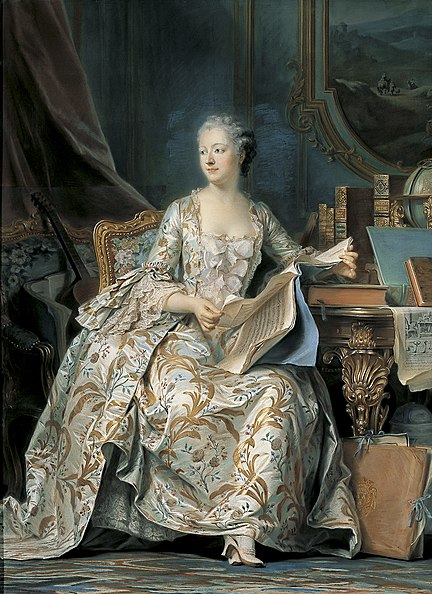

You can find me over at the Scientific American guest blog today, where I tackle the moral outrage over Weinergate, and the role technology plays in judging these offenses. Here's an excerpt:
History is littered with private indiscretions made public—some have just been more public than others:
- It is believed the Leonardo da Vinci was a passionate instructor to his students; one in particular remained in da Vinci’s favor for 26 years.
Read the rest here.
- Cleopatra made no secret of the nature of her political alliances, which included a close friendship with the notable Marc Antony.
- Alexander the Great’s conquests included two wives, a mistress, and possibly his life-long friend Hephaestion.
- Catherine the Great masterfully orchestrated a series of lovers, one of whom may have had a hand in the death of her ill-fated husband, Peter.
Rep. Anthony Weiner (D) of New York, who tweeted and emailed photos of himself in various states of undress and arousal to several women, joins the ever-growing ranks of political figures whose extramarital pursuits have been made available for public scrutiny. However, unlike George Washington (a purported womanizer), Thomas Jefferson (who fathered several children by Sally Hemings), Warren Harding (had trysts in a White House closet), or even John F. Kennedy ("Happy Birthday, Mr. President"—though his relationship to Marilyn Monroe has never been confirmed), Weiner’s indiscretions will not be whispered about. Rather, he must contend with life lived in the age of media—where so many details of our lives, already public, can be collected and shared at the push of a button not just by newspersons but by regular folk too.
- Letters revealed that Franklin Delano Roosevelt got quite friendly with his wife’s social secretary Lucy Mercer.
It is unlike anything anyone in his position has experienced before. The scandal that surrounded Bill Clinton doesn’t even come close, although the American public sat rapt as he proclaimed "I did not have sexual relations with that woman," and waited expectantly for the admission otherwise to come.
As an audience we’ve been here before. And yet, each time it happens, it seems to come as a surprise. We are at once irate and nonplussed. "How dare a person in power betray our trust?" we ask even as we turn a blind eye at the fissures in our own social circles. What’s the real reason behind our moral outrage? And what role does technology play in it?
Tuesday, June 7, 2011
"What Have I Done?"—The Nature of Regret

Does the experience of regret serve a purpose? Is it a necessary element of sociality?
Thursday, June 2, 2011

Wednesday, June 1, 2011
From the Archives: The Psychology of Liking
 |
Wednesday, May 18, 2011
Science and Technology in Television Cartoons
 |
Saturday morning cartoons were some of the earliest exposures I had to science and technology. How do you remember them?
Tuesday, May 17, 2011
The American Public's Fascination With the Undead
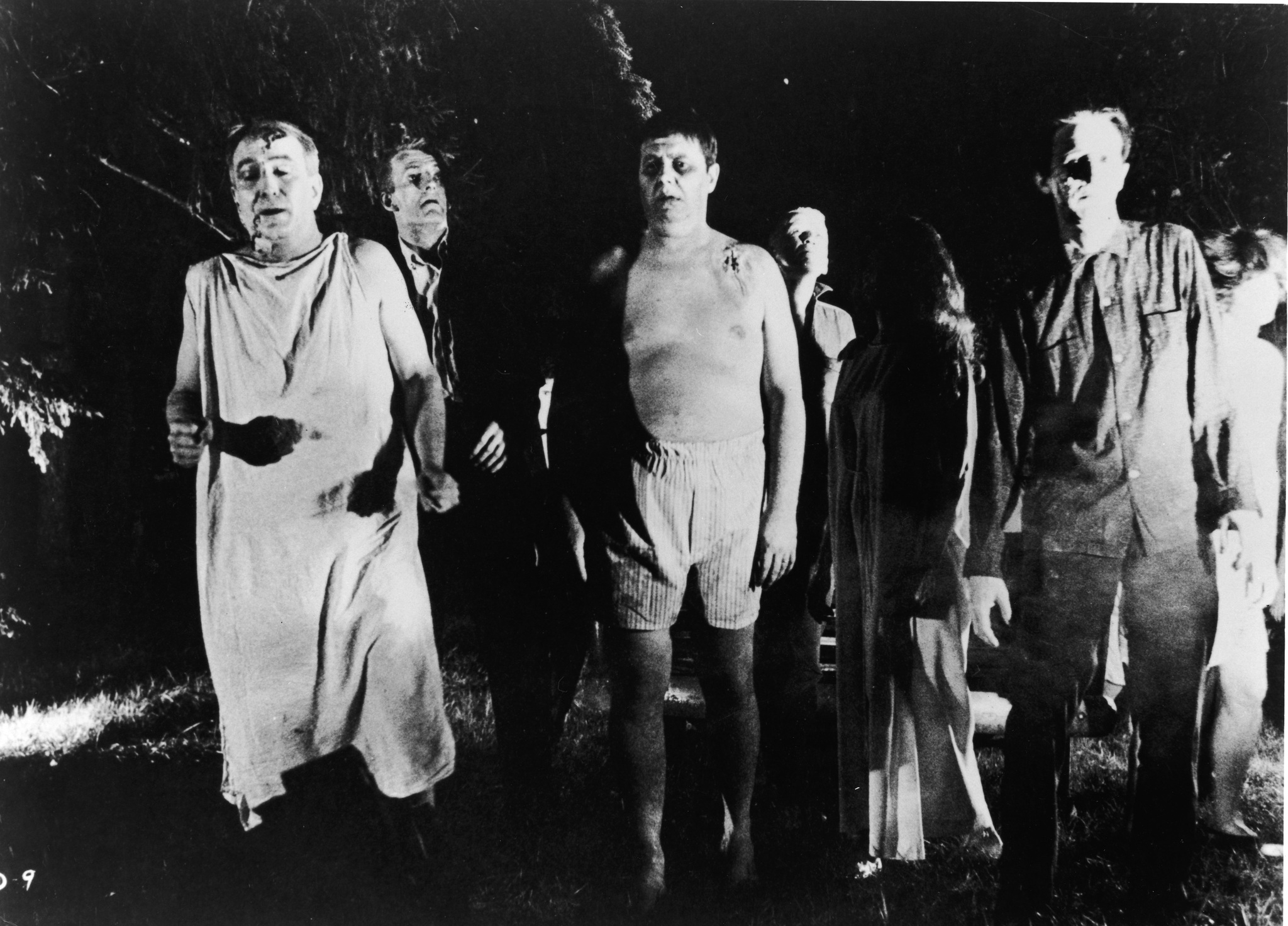
Zombies aren’t pretty creatures. Popular media depicts them in assorted states of decay. They shamble. They’re insatiable cannibals. And, well, they’re dead. So why can’t we get enough of them?
Tuesday, May 10, 2011
Unraveling The Fear o' the Jolly Roger

The NYTimes recently explored the "pirate brand" by tracing the emergence of the skull and crossbones—the Jolly Roger—as a symbol of terror on the high seas. The Times hails the ominous design as a magnificent exercise in collective hybrid branding, noting that economics drove pirates to adopt a version of this particular symbol to facilitate their intent to plunder. It's a fascinating discussion on the efficiency and power that good branding can deliver, but it overlooks the ways in which the power of the symbol as we recognize it draws in part in the acceptance and manipulation of the image by others.
Friday, May 6, 2011
As Above So Below—Investigating "Life Underground"

New York City has a reputation for being a dangerous place. You never know what may lurk beneath the streets—alligators, giant rats, even turtles and fish. The 14th Street and 8th Avenue subway station is home to one of my favorite public art installations: Tom Otterness' Life Underground at 14th Street and 8th Avenue places miniature characters in precarious situations—such as being eaten by an alligator.
Wednesday, May 4, 2011

Monday, May 2, 2011

Wednesday, April 27, 2011
The Rise of the Hydra? Couple Profiles on Facebook

In Greek mythology, the Hydra was a dangerous water serpent with many heads. Its breath was allegedly poisonous, and for every head you cut off two more would grow in its place. In the last two weeks, three separate couples on Facebook in my network, who don't know each other, have merged their profiles—they've become Hydras in their own way: a single entity, posting under a hybrid name, generating all sorts of confusion as to who is really behind the content (though language is sometimes a giveaway). Networks emphasize the individual's connection to the collective. What are the implications of these dual identity profiles to the larger social group?
Monday, April 25, 2011
Nail Polish and the Policing of Gender Norms

Friday, April 22, 2011
Selling the Illusion of Wealth

To round out AiP's discussion on our relationship with fashion, today we're looking at the counterfeit industry. On Monday, we probed the appeal of high-heels. And on Wednesday, we discussed a particular color trend in New York City.
Wednesday, April 20, 2011
Reflections of Gotham: Why Do New Yorkers Wear So Much Black?

This week AiP investigates our relationship with fashion. On Monday, we probed the appeal of high-heels. Today, we’ll discuss a particular color trend in New York City. And on Friday, we’ll explore the psychology behind brands.
Monday, April 18, 2011
Power, Confidence, and High-Heels

This week AiP investigates our relationship with fashion. Today, we’ll delve into the appeal of high-heels. On Wednesday, we’ll discuss a particular color trend in New York City. And on Friday, we’ll explore the psychology behind brands.
Subscribe to:
Posts (Atom)